



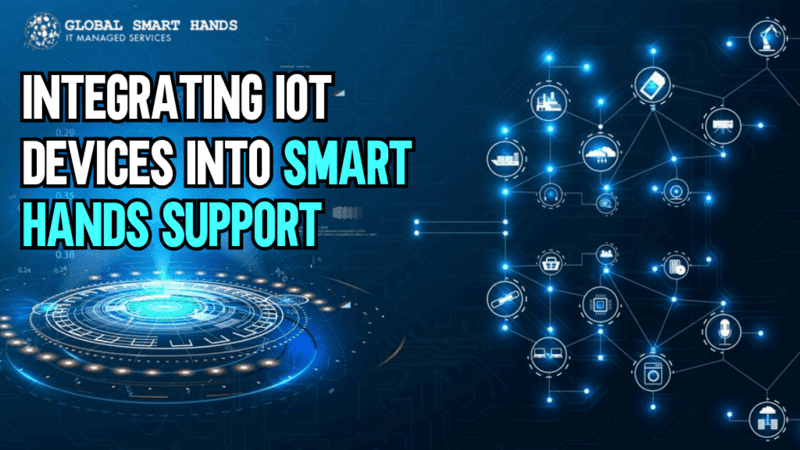
The rapid growth of the Internet of Things (IoT) is transforming how organizations manage their IT infrastructure, data centers, retail environments, and enterprise networks. From smart sensors and connected cameras to industrial monitoring systems and edge computing devices, IoT technology is now a critical part of modern business operations.
As organizations deploy thousands of connected devices across multiple locations, the need for reliable Smart Hands support has become more important than ever. Smart Hands services provide on-site technical assistance for organizations that operate distributed IT environments.
These services help businesses install, maintain, troubleshoot, upgrade, and monitor critical equipment without requiring full-time technical staff at every location. When IoT devices are added to the infrastructure, the complexity increases significantly, creating new operational, security, and management challenges.
Growing Role of IoT in Modern IT Infrastructure
IoT devices generate continuous streams of operational data that help organizations improve efficiency, automate processes, and gain real-time visibility into business operations. These devices are commonly deployed in:
- Data centers
- Retail stores and EPOS environments
- Warehouses and logistics facilities
- Manufacturing plants
- Smart offices
- Telecommunications networks
- Healthcare facilities
As organizations continue to embrace digital transformation, IoT devices are becoming deeply integrated into network infrastructure and business-critical operations. Research from Omdia shows that 82% of enterprises either use or plan to implement real-time analytics capabilities for IoT deployments, highlighting the increasing reliance on connected technologies.
However, managing large numbers of distributed devices requires much more than remote monitoring. Physical installations, hardware replacements, network configuration, cable management, troubleshooting, and maintenance often require skilled engineers on-site. This is where Smart Hands support becomes an essential component of successful IoT operations.
Why Smart Hands Support is Critical for IoT Deployments
Traditional IT environments generally focus on servers, switches, routers, and workstations. IoT ecosystems introduce additional layers of complexity because they often include thousands of geographically dispersed devices operating in different environments.
Handling Multi-Channel Operations
Smart Hands engineers perform crucial tasks such as device installation, network connectivity verification, power management, firmware deployment assistance, hardware replacement, rack and stack services, and preventive maintenance. These activities ensure that IoT infrastructure remains operational while reducing downtime and minimizing disruptions.
Managing On-Site Operations
Organizations that deploy IoT devices across multiple locations often face challenges in sending internal IT teams for onsite surveys. Smart Hands services provide a cost-effective alternative by delivering local technical expertise wherever support is needed.
Key Challenges of Integrating IoT Devices Into Smart Hands Support
Device Diversity and Compatibility
One of the biggest challenges in IoT support is the wide variety of devices involved. Unlike standardized server environments, IoT ecosystems may include sensors, gateways, cameras, controllers, smart meters, tracking devices, and industrial equipment from multiple manufacturers.
Each device may have different operating systems, communication protocols, firmware requirements, and maintenance procedures. Smart Hands engineers must possess a broad understanding of various technologies to effectively support these environments.
Without standardized deployment processes, organizations can struggle with compatibility issues, configuration inconsistencies, and operational inefficiencies.
Large-Scale Device Management
As IoT deployments grow, managing thousands of connected endpoints becomes increasingly difficult. Every device must be properly installed, configured, monitored, and maintained throughout its lifecycle.
Even a small configuration error can affect device performance, disrupt data collection, or create connectivity issues. Smart Hands teams must follow strict deployment procedures to ensure consistency across all locations.
Accurate asset management and documentation become critical for maintaining visibility into device inventory, hardware status, firmware versions, and network assignments.
Network Connectivity Challenges
Reliable connectivity is the foundation of any IoT ecosystem. Devices depend on stable network connections to transmit data, receive updates, and communicate with centralized platforms.
Many IoT deployments operate across multiple network environments, including:
- Ethernet networks
- Wi-Fi networks
- Cellular connections
- Private 5G networks
- Edge computing environments
Smart Hands technicians are often responsible for verifying network connectivity, troubleshooting communication failures, replacing faulty hardware, and ensuring devices remain connected to business systems.
Network issues can be particularly challenging in remote locations where local technical resources are limited.
Security Risks and Vulnerabilities
Security remains one of the most significant concerns in IoT deployments. Every connected device represents a potential entry point for cyber threats.
Recent research indicates that approximately 75% of enterprises experienced an IoT-related security breach during the previous year, highlighting the growing security challenges associated with connected devices.
Additionally, studies show that nearly 60% of industrial organizations lack confidence in their ability to detect IoT and operational technology threats effectively.
Smart Hands engineers play an important role in maintaining physical security controls, ensuring devices are properly configured, assisting with firmware updates, and supporting security-focused maintenance activities.
Firmware Updates and Maintenance
IoT devices require regular firmware updates to maintain functionality, improve performance, and address security vulnerabilities.
Managing firmware updates across hundreds or thousands of devices can become a major operational challenge. Some updates may require local intervention, particularly when devices are located in remote facilities or industrial environments.
Smart Hands personnel provide valuable on-site assistance during update rollouts, helping organizations reduce risks and minimize service interruptions.
Physical Infrastructure Limitations
Many IoT devices operate in challenging environments, including warehouses, manufacturing facilities, retail stores, and outdoor locations.
Factors such as temperature fluctuations, dust, humidity, power instability, and physical wear can affect device reliability. Smart Hands engineers conduct site inspections, replace damaged equipment, manage cabling, and verify power availability to ensure consistent performance.
Without proper physical infrastructure management, organizations may experience frequent device failures and increased maintenance costs.
Best Practices for Successful IoT Integration Within Smart Hands Services
Standardized Deployment Procedures
Developing consistent deployment standards helps organizations improve reliability and reduce installation errors. Standard operating procedures should cover device installation, configuration, testing, labeling, documentation, and network integration.
Standardization enables Smart Hands engineers to deliver predictable results across multiple locations while maintaining quality and consistency.
Centralized Monitoring and Visibility
Organizations benefit significantly from centralized monitoring platforms that provide real-time visibility into device performance and connectivity status.
Real-time monitoring has become a major priority for enterprise IoT deployments, with over 80% of organizations focusing on immediate data processing and operational insights.
Combined with Smart Hands support, centralized monitoring allows issues to be identified remotely while local technicians handle necessary on-site tasks.
Strong Security Practices
Security should be integrated throughout the entire IoT lifecycle. Key practices include:
- Regular firmware updates
- Network segmentation
- Device authentication
- Access control management
- Encryption implementation
- Continuous monitoring
Industry experts increasingly recommend Zero Trust security models for IoT environments due to the growing complexity of connected ecosystems.
Smart Hands engineers help ensure these security measures are implemented correctly during deployment and maintenance activities.
Proactive Maintenance Programs
Preventive maintenance helps organizations avoid unexpected failures and extend device lifespan.
Routine inspections, hardware checks, connectivity testing, and environmental assessments can identify issues before they cause operational disruptions.
Proactive maintenance also reduces emergency support requirements and improves overall service reliability.
How Global Smart Hands (GSH) Supports IoT Device Integration
As organizations expand their IoT deployments across global locations, they require a trusted support partner capable of delivering consistent on-site technical assistance.
Global Smart Hands (GSH) provides comprehensive Smart Hands and IT infrastructure support services in more than 150 countries, helping organizations manage complex IoT environments efficiently.
With a rapid response capability of as little as four hours in major cities, GSH enables businesses to expand globally without the expense of maintaining full-time technical teams at every location.
24×7 International IT Support
IoT devices operate continuously, making around-the-clock support essential. GSH provides 24×7 worldwide IT support for complete IT infrastructure environments, helping organizations maintain uptime and operational continuity regardless of location or time zone.
Full Time Resource Services
Organizations managing large-scale IoT deployments often require dedicated technical expertise. GSH offers Full Time Resource services that allow businesses to allocate skilled engineers for network support, end-user assistance, data center operations, and IoT infrastructure management.
This flexible approach helps organizations scale support resources according to operational demands.
EPOS and Retail Support
Retail businesses increasingly rely on IoT-enabled systems, including smart payment terminals, inventory sensors, connected displays, and customer analytics platforms.
GSH provides EPOS and retail support services designed to minimize downtime, support installations, and maintain critical retail technology infrastructure across multiple locations.
Resource on Service Level Agreement (SLA)
Many organizations require guaranteed response times for business-critical IoT systems. GSH delivers on-demand technical expertise through customized Service Level Agreements, providing reliable support aligned with operational requirements and budget expectations.
IMAC Services
IoT deployments frequently require equipment installations, relocations, upgrades, and configuration changes.
GSH IMAC (Installs, Moves, Adds, and Changes) services support data centers, offices, retail locations, and distributed IT environments, ensuring smooth implementation of new IoT technologies and infrastructure modifications.
Desktop Support Deployment
Many IoT ecosystems interact with desktop systems, servers, and network infrastructure. GSH provides global desktop support deployment services delivered by experienced IT professionals, helping organizations accelerate technology rollouts while maintaining quality standards.
Network and IT Infrastructure Support
Reliable connectivity is essential for IoT success. GSH delivers customized network management and IT infrastructure support designed to optimize performance, improve visibility, and support business-specific operational requirements.
End User Support
IoT systems often impact employees, customers, and operational teams. GSH provides 24×7 end-user support across more than 150 countries, helping organizations maintain productivity while ensuring users receive timely technical assistance.
Future of Smart Hands and IoT Devices integration
The integration of IoT devices into Smart Hands support is becoming a critical requirement for modern enterprises. As connected devices continue to expand across industries, organizations must address challenges related to device diversity, network connectivity, security, maintenance, and operational scalability.
Successful IoT deployments require a combination of centralized management, proactive maintenance, strong cybersecurity practices, and reliable on-site technical expertise. Smart Hands services bridge the gap between remote monitoring and physical infrastructure management, ensuring that connected environments remain efficient, secure, and operational.
Global Smart Hands (GSH) helps organizations meet these demands through comprehensive international IT support, rapid response capabilities, specialized infrastructure services, and a global network of experienced engineers. Contact GSH today and let the experts handle your business operations in the modern-day world.
Frequently Asked Questions (FAQs)
How can security risks be addressed during IoT integration with Smart Hands services?
Security risks can be minimized by implementing strong authentication methods, encrypting data transmissions, and regularly updating device firmware. Smart Hands technicians should follow strict security protocols when accessing devices and networks.
Why is remote monitoring important for IoT-enabled Smart Hands support?
Remote monitoring allows IT teams to track device health, performance, and connectivity in real time. When issues are detected, Smart Hands technicians can be dispatched with precise instructions and diagnostic information.
How does device compatibility affect Smart Hands operations?
Device compatibility plays a critical role because IoT environments often consist of products from multiple vendors. Incompatible hardware or software can create communication failures and operational inefficiencies.
How can organizations reduce downtime when supporting IoT devices?
Organizations can reduce downtime by implementing predictive maintenance strategies, leveraging real-time monitoring tools, and maintaining spare hardware inventories. Smart Hands technicians can quickly replace faulty components and perform corrective actions based on data-driven insights.
What training is required for Smart Hands technicians working with IoT devices?
Smart Hands technicians require training in IoT architecture, networking fundamentals, cybersecurity best practices, and device-specific maintenance procedures. They should also understand cloud platforms, remote management tools, and emerging IoT standards.