




The retail industry is rapidly changing, and one of the biggest drivers behind this transformation is the Internet of Things (IoT). From smart shelves to connected payment systems, IoT is helping retailers improve customer experiences, reduce costs, and operate more efficiently. As these technologies grow, they are also changing how on-site IT support and EPOS (Electronic Point of Sale) maintenance are delivered.
In simple terms, IoT connects everyday devices to the internet, allowing them to collect and share data. In retail, this means everything from checkout systems to inventory sensors can communicate in real time. While this creates exciting opportunities, it also increases the need for reliable IT infrastructure support, quick troubleshooting, and efficient EPOS system maintenance.
The Influence of IoT in Retail
IoT adoption in retail has grown quickly over the past few years. According to recent industry reports, the global IoT in retail market is expected to exceed $180 billion by 2028. Retailers are investing in connected devices to improve operations, track inventory, and personalize customer experiences.
Examples of IoT in retail include:
- Smart shelves that detect stock levels
- RFID tags for real-time inventory tracking
- Connected EPOS systems for faster transactions
- In-store sensors that monitor customer behavior
These technologies generate a huge amount of data, helping businesses make better decisions. However, they also require strong IT support services to ensure everything runs smoothly.
How IoT is Transforming On-Site IT Support
With traditional retail systems, IT support mainly focused on fixing hardware issues or installing software updates. But with IoT, the role of on-site IT support has become more complex and critical.
Increased Device Connectivity
Retail stores now have dozens, sometimes hundreds, of connected devices. From payment terminals to security cameras, all these devices need to stay connected and functional. If even one device fails, it can affect the entire system.
This is where on-site IT support services become essential. Technicians must ensure all devices are properly configured, connected to the network, and working without interruption.
Real-Time Monitoring and Troubleshooting
IoT systems allow real-time monitoring, but they also require quick response times when issues arise. For example, if a smart shelf stops updating inventory, it can lead to stock errors and lost sales.
On-site IT engineers need to quickly identify and fix these problems. This requires advanced skills in network troubleshooting, device management, and system integration.
Cybersecurity Challenges
As more devices connect to the network, the risk of cyber threats increases. Retailers handle sensitive customer data, including payment information, making them a target for cyberattacks.
IT support teams must ensure:
- Secure network configurations
- Regular system updates
- Strong data protection measures
According to cybersecurity reports, retail ranks among the top five industries targeted by cyberattacks. This highlights the importance of reliable IT infrastructure support and monitoring.
Impact of IoT on EPOS Maintenance
EPOS systems are at the heart of retail operations. They handle transactions, track sales, and manage inventory. With IoT integration, EPOS systems have become smarter but also more complex.
Smarter and Faster Transactions
Modern EPOS systems are connected to various IoT devices, enabling features like:
- Contactless payments
- Mobile checkout
- Real-time inventory updates
This improves customer experience but also increases the need for continuous system monitoring and maintenance.
Reduced Downtime is Critical
In retail, downtime directly affects revenue. Even a few minutes of EPOS failure can lead to lost sales and frustrated customers.
Studies show that unplanned IT downtime can cost businesses up to $5,600 per minute, depending on the scale. This makes fast-response EPOS support services more important than ever.
Integration with Multiple Systems
IoT-enabled EPOS systems are often connected to:
- Inventory management systems
- Customer relationship platforms
- Supply chain networks
If one system fails, it can disrupt the entire operation. On-site IT support teams must ensure seamless integration and quick recovery when issues occur.
The Growing Demand for On-Site IT Support Services
As retail environments become more digital, the demand for on-site IT support services continues to grow. Remote support is useful, but many issues still require physical presence.
Why On-Site Support is Still Important
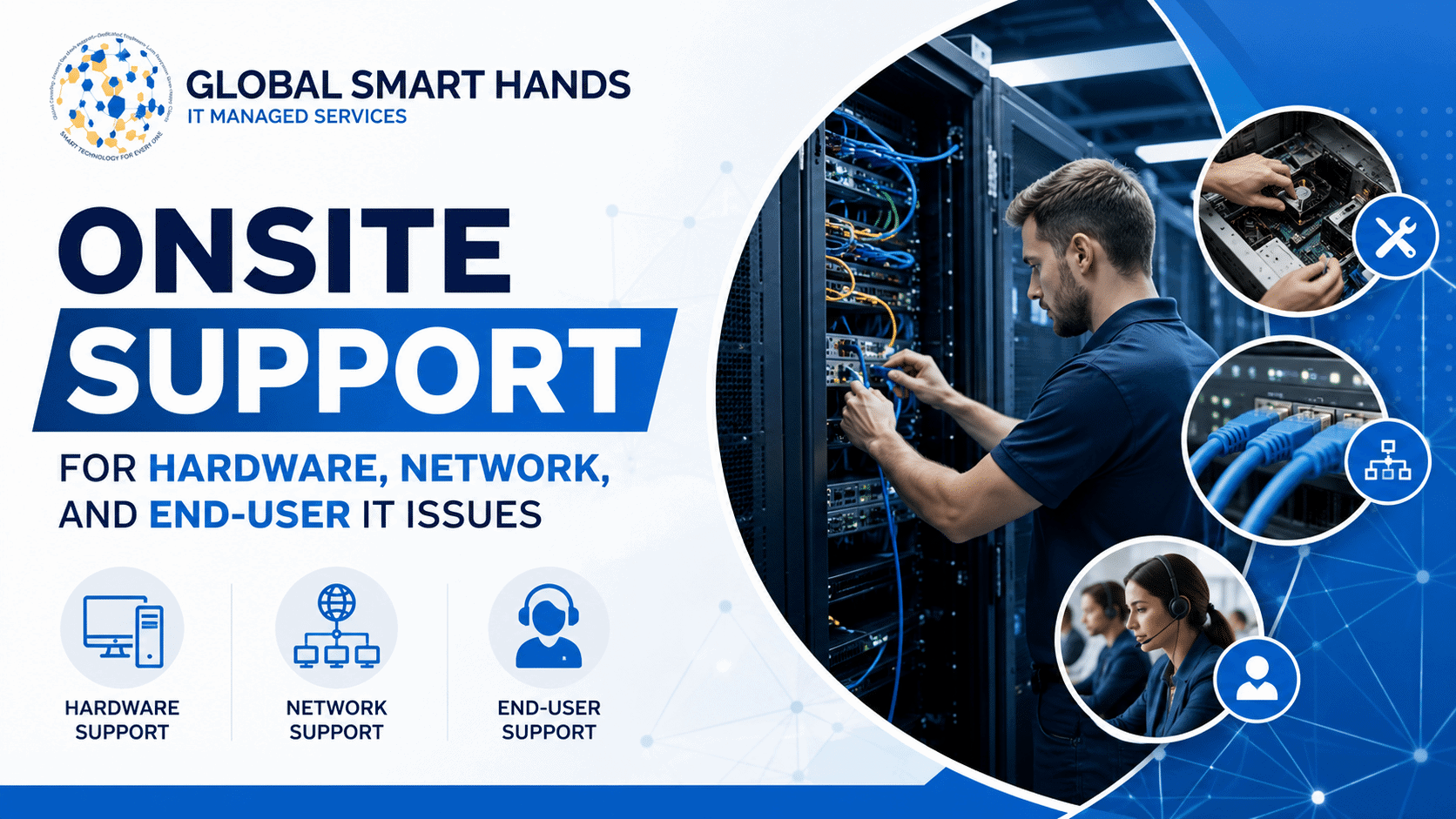
Even with advanced remote tools, certain tasks require hands-on expertise, such as:
- Hardware repairs
- Device installations
- Network cabling and setup
- EPOS terminal replacement
Retailers need skilled technicians who can quickly arrive on-site and resolve issues without delays.
Global Retail Expansion Needs Local Support
Many retail brands operate in multiple countries. Managing IT systems across different locations can be challenging.
This creates a need for global IT support services that offer:
- Local expertise
- Fast response times
- Consistent service quality
Businesses are increasingly relying on third-party IT support providers to manage these challenges efficiently.
Key Benefits of IoT for Retail IT Operations
Despite the challenges, IoT brings several benefits that improve IT operations in retail.
Improved Efficiency
Automated systems reduce manual work and improve accuracy. For example, smart inventory systems can automatically update stock levels without human input.
Better Customer Experience
IoT enables personalized shopping experiences through data insights. Retailers can understand customer preferences and offer tailored services.
Predictive Maintenance
IoT devices can detect potential issues before they become serious problems. This helps IT teams perform maintenance proactively, reducing downtime.
Challenges Retailers Face with IoT Implementation
While IoT offers many advantages, it also comes with challenges that retailers must address.
Complex Infrastructure
Managing multiple connected devices requires a strong IT infrastructure. Without proper support, systems can become unstable.
High Maintenance Requirements
IoT systems need regular updates, monitoring, and troubleshooting. This increases the workload for IT teams.
Skill Gaps
Not all IT professionals are trained to handle IoT systems. Retailers often need specialized expertise to manage these technologies effectively.
Role of Global Smart Hands (GSH) in IoT Retail Support
As IoT continues to reshape retail, businesses need reliable partners to manage their IT operations. This is where Global Smart Hands (GSH) becomes the right service provider.
Global Smart Hands provides comprehensive on-site IT support services in over 150 countries, helping retailers maintain smooth operations across multiple locations.
24×7 International IT Support
GSH offers round-the-clock IT support, ensuring that retail systems remain operational at all times. With IoT devices running continuously, having 24×7 support is essential to avoid disruptions.
Full-Time Resource Allocation
Retailers can assign dedicated engineers through GSH for ongoing IT support. These professionals are skilled in handling:
- End-user support
- Network troubleshooting
- Data center assistance
EPOS and Retail Support Expertise
GSH specializes in EPOS support services, ensuring minimal downtime and fast issue resolution. Their technical team supports:
- EPOS installations
- System upgrades
- Maintenance and repairs
Fast Response with SLA-Based Services
One of the key strengths of GSH is its ability to provide resources within 4 hours in major cities. Their service-level agreements (SLAs) are tailored to meet business requirements while staying within budget.
IMAC Services for Retail Environments
GSH offers IMAC (Installs, Moves, Adds, and Changes) services, helping retailers manage:
- Store relocations
- Hardware installations
- System upgrades
Desktop Support Deployment
GSH provides global desktop support deployment, ensuring efficient setup of:
- Desktops
- Servers
- Network systems
Network and IT Infrastructure Management
With IoT systems relying heavily on connectivity, GSH offers customized network management services. These services help maintain peak performance and ensure reliable communication between devices.
End User Support Across the Globe
GSH empowers retail staff with fast and effective end-user support. Their services are available in over 150 countries, ensuring consistent support regardless of location.
Why Reliable IT Support is Essential in IoT Retail
As IoT continues to grow, the need for dependable IT support services becomes even more important. Retailers must ensure that their systems are always operational, secure, and efficient.
Without proper support:
- Systems may experience frequent downtime
- Customer experience may suffer
- Business operations can be disrupted
Partnering with experienced IT service providers helps retailers overcome these challenges and focus on growth.
IoT is transforming the retail industry in many ways. It improves efficiency, enhances customer experience, and enables smarter business decisions. However, it also brings new challenges in terms of system complexity, maintenance, and security.
On-site IT support and EPOS maintenance have become more critical than ever. Retailers need fast, reliable, and skilled support to keep their systems running smoothly.
Global Smart Hands (GSH) stands out as a trusted partner in this space, offering worldwide IT support, quick response times, and specialized retail services. With the right support in place, businesses can fully benefit from IoT and stay competitive in the evolving retail landscape.
Contact GSH today and share your requirements to experience how we can make a difference for your operations with the right on-site IT support.
FAQs
How does IoT impact on-site IT support in retail stores?
IoT significantly changes the role of on-site IT support by shifting focus from reactive to proactive maintenance. Technicians now monitor systems remotely and address issues before they escalate. This reduces downtime and improves system reliability.
What role does IoT play in EPOS system maintenance?
IoT enhances EPOS maintenance by enabling real-time diagnostics and automated alerts. Devices can notify support teams about performance issues or failures instantly.
How does predictive maintenance benefit retail IT systems?
Predictive maintenance uses IoT data to forecast potential system failures before they occur. This helps IT teams schedule maintenance during non-peak hours. It reduces unexpected breakdowns and costly repairs. Retailers benefit from improved system uptime and operational efficiency.
How does IoT improve customer experience in retail?
IoT enables personalized shopping experiences through data-driven insights. Retailers can offer tailored promotions and faster checkout options. Smart devices also reduce waiting times and improve service quality.
How does IoT enhance inventory management in retail?
IoT devices track inventory levels in real time using sensors and RFID technology. This reduces manual stock checks and minimizes errors. Retailers can automatically reorder products when stock runs low. This ensures better product availability and efficient supply chain management.