




The rise of IoT in retail has changed how businesses operate across Europe. From smart shelves to connected payment systems, retailers are using Internet of Things (IoT) devices to improve customer experience and streamline operations.
Europe has strict data protection and IT governance laws. These rules affect how IoT devices collect, store, and process data. According to recent reports, over 70% of European retailers have adopted IoT technologies, and the market is expected to grow significantly in the coming years. This rapid growth also increases the need for secure and compliant IT infrastructure.
For companies outside the EU, understanding these requirements can feel overwhelming. But with the right infrastructure and IT support services, businesses can expand confidently while staying compliant.
Understanding European IT Compliance Requirements
Key Regulations Impacting IoT in Retail
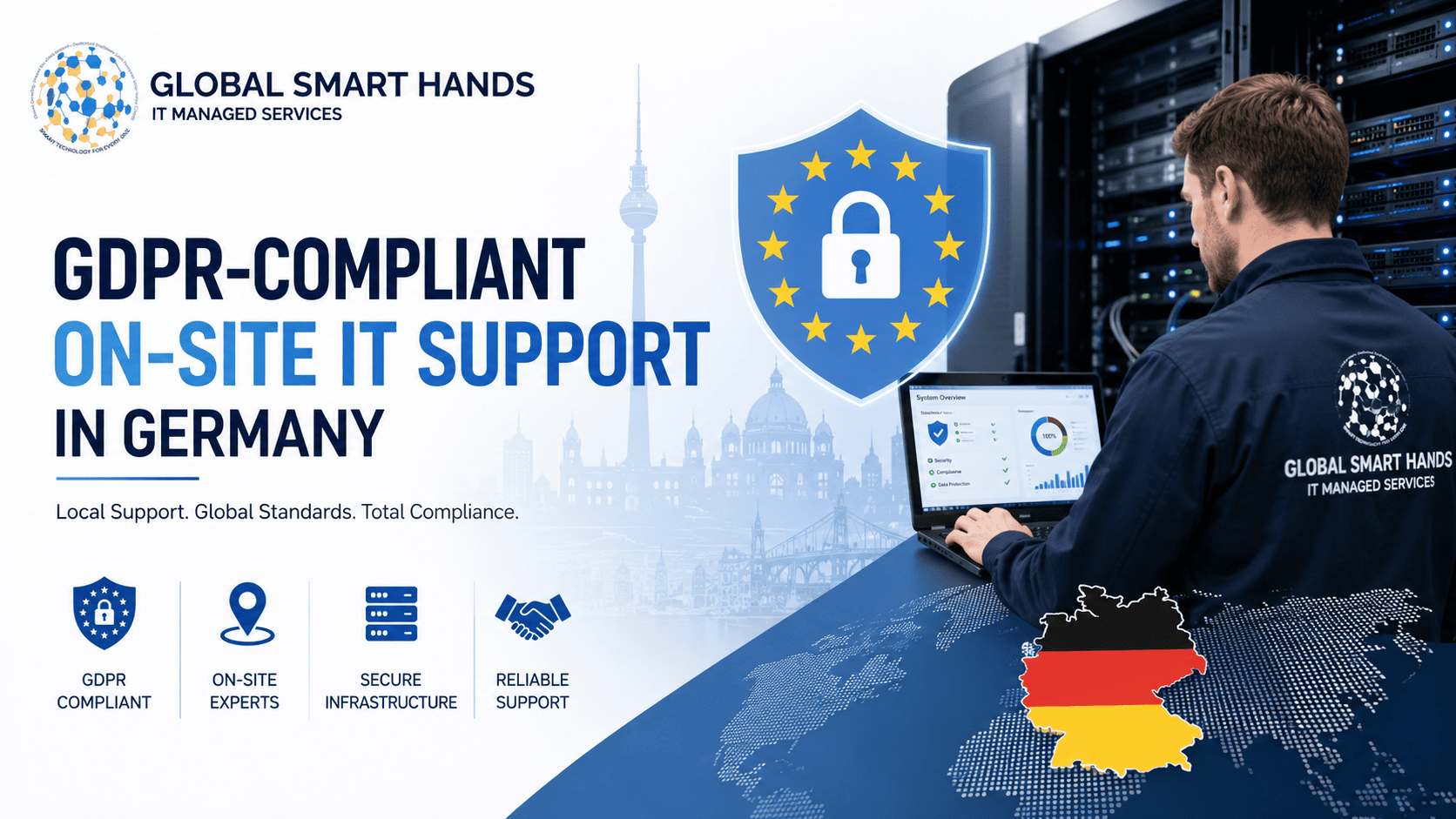
When operating in Europe, non-EU retailers must follow several important regulations. The most well-known is the General Data Protection Regulation (GDPR). It governs how personal data is collected and processed.
IoT devices in retail often gather customer behavior data, such as shopping patterns or payment information. Under GDPR, businesses must ensure:
- Data is collected with clear consent
- Information is securely stored
- Users can access or delete their data
Another important framework is the Network and Information Security (NIS2) Directive, which focuses on cybersecurity across critical sectors, including retail technology infrastructure.
Why Compliance is Crucial for Non-EU Businesses
Failing to meet compliance standards can lead to heavy penalties. GDPR fines can reach up to €20 million or 4% of global annual revenue, whichever is higher. Beyond financial risks, non-compliance can damage brand reputation and customer trust.
For non-EU businesses, compliance also affects partnerships. Many European companies prefer working with vendors that meet strict IT and data protection standards.
Infrastructure Essentials for IoT in Retail
Building a Secure IT Infrastructure
A strong IT infrastructure is the backbone of any IoT retail system. It must support multiple connected devices while ensuring data security and system reliability.
Key components include:
- Edge computing systems to process data locally
- Cloud platforms for storage and analytics
- Secure network architecture to prevent unauthorized access
Retailers must ensure that all devices are connected through a secure and monitored network.
Scalability and Flexibility in Retail IT Systems
Retail businesses often expand quickly, especially when entering new markets. Infrastructure must be scalable to handle increasing data loads and additional IoT devices.
Flexible systems allow businesses to:
- Add new stores without major IT changes
- Integrate new technologies
- Adapt to changing compliance requirements
This is where managed IT infrastructure services become valuable. They provide the ability to scale operations without heavy upfront investment.
Data Security and Privacy in IoT Retail Systems
Protecting Customer Data
IoT devices collect large amounts of customer data. This includes personal details, payment information, and shopping behavior. Protecting this data is critical.
Retailers must implement:
- End-to-end encryption
- Multi-factor authentication
- Regular security audits
According to a 2025 cybersecurity report, retail cyberattacks increased by 32% globally, highlighting the need for strong protection measures.
Managing Data Across Borders
Non-EU businesses often store data in different regions. However, European laws require that data transferred outside the EU meets strict protection standards.
This means companies must:
- Use approved data transfer mechanisms
- Ensure third-party vendors comply with EU regulations
- Maintain transparency in data handling practices
Network Reliability and Performance
Ensuring Continuous Connectivity
IoT in retail depends heavily on reliable network connectivity. If systems fail, it can disrupt operations, delay transactions, and frustrate customers.
Retailers need:
- High-availability network infrastructure
- Backup systems for critical operations
- Real-time monitoring tools
Downtime can be costly. Studies show that even a one-hour outage in retail can lead to thousands of dollars in lost revenue.
Role of On-Site IT Support Services
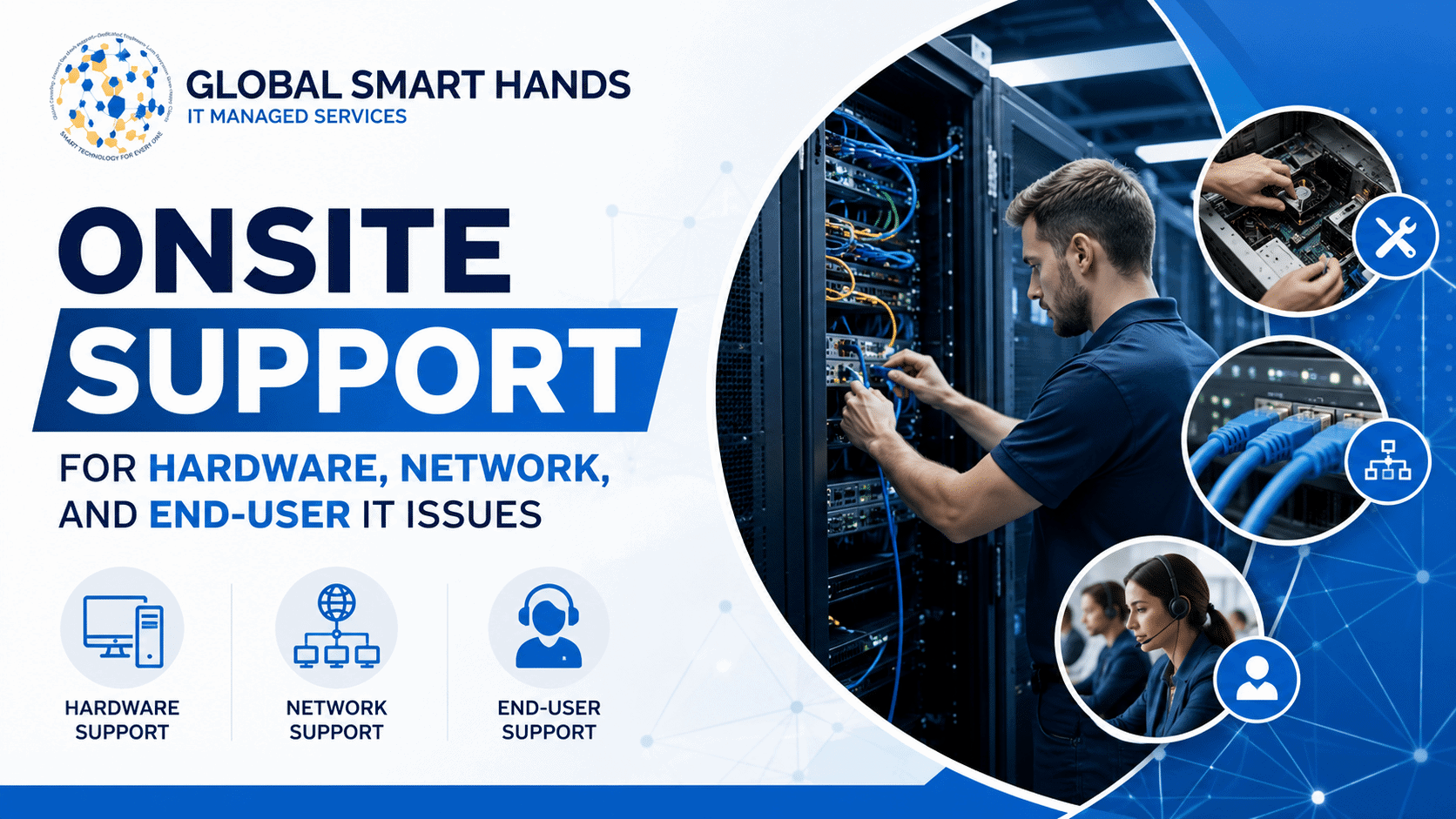
Having access to on-site IT support ensures quick resolution of technical issues. This is especially important for non-EU businesses managing multiple locations across Europe.
On-site engineers can handle:
- Hardware failures
- Network troubleshooting
- Device installations and upgrades
IoT Device Management and Lifecycle Control
Managing Large-Scale Device Deployments
Retailers often deploy hundreds or thousands of IoT devices. Managing these devices requires careful planning and monitoring.
Important practices include:
- Centralized device management systems
- Regular firmware updates
- Remote diagnostics and maintenance
Without proper management, devices can become security risks or performance bottlenecks.
Lifecycle Management and Compliance
Each IoT device has a lifecycle from installation to replacement. Businesses must ensure that every stage meets compliance standards.
This includes:
- Secure installation processes
- Proper disposal of outdated devices
- Documentation for audits and inspections
Cloud Integration and Data Analytics
Leveraging Cloud Platforms for Retail IoT
Cloud computing plays a major role in IoT retail systems. It allows businesses to store and analyze large volumes of data efficiently.
Benefits include:
- Real-time insights into customer behavior
- Improved inventory management
- Predictive analytics for sales trends
According to industry data, over 60% of retailers in Europe use cloud-based IoT platforms to enhance operations.
Balancing Cloud and Edge Computing
While cloud systems are powerful, edge computing helps process data closer to the source. This reduces latency and improves performance.
A balanced approach ensures:
- Faster decision-making
- Reduced data transfer costs
- Better compliance with data residency requirements
Challenges Faced by Non-EU Retailers
Navigating Complex Regulations
European regulations can be complex and constantly evolving. Non-EU businesses must stay updated to remain compliant.
This often requires:
- Legal expertise
- Regular compliance audits
- Continuous system updates
Managing Multi-Country Operations
Operating across multiple European countries adds another layer of complexity. Each country may have additional rules or requirements.
Businesses need consistent IT infrastructure and support services that work across regions.
How Global Smart Hands (GSH) Supports IoT in Retail Compliance
Global expansion requires reliable IT support, and this is where Global Smart Hands (GSH) plays a crucial role. With operations in over 150 countries and a rapid 4-hour response time in major cities, GSH helps non-EU retailers maintain compliant and efficient IT infrastructure across Europe.
24×7 International IT Support
GSH provides round-the-clock IT support, ensuring that retail operations run smoothly at all times. This continuous support is essential for IoT systems that operate 24/7, especially in high-traffic retail environments.
Full-Time Resource Allocation
Businesses can allocate skilled engineers for ongoing support. This allows retailers to maintain consistent performance across their IoT infrastructure without hiring full-time in-house teams.
EPOS and Retail Support
GSH specializes in EPOS and retail technology support. Their team ensures minimal downtime by handling installations, troubleshooting, and maintenance efficiently. This is critical for maintaining customer satisfaction and compliance with operational standards.
Flexible SLA-Based Services
With service-level agreements tailored to business needs, GSH provides on-demand expertise within tight timelines. Their ability to deploy resources within four hours ensures quick resolution of issues.
IMAC Services (Installs, Moves, Adds, and Changes)
Retail environments frequently change. GSH supports these changes with professional IMAC services, covering everything from hardware installation to office relocation.
Desktop Support Deployment
GSH deploys desktops, servers, and network systems globally. Their experienced professionals ensure quick and cost-effective setup, helping businesses scale their operations smoothly.
Network and IT Infrastructure Management
Customized network management ensures peak performance. GSH provides dashboards and monitoring tools tailored to business needs, helping maintain compliance and operational efficiency.
End User Support
With 24/7 support across more than 150 countries, GSH empowers end users with fast and reliable assistance. This improves productivity and ensures seamless retail operations.
Building a Compliant and Scalable Retail IT Ecosystem
IoT in retail is transforming the European market, offering new opportunities for non-EU businesses. However, success depends on building a compliant and reliable IT infrastructure.
From data security to network performance, every aspect of the system must meet strict European standards. With the right approach and strong IT support services, businesses can overcome challenges and thrive in this competitive market.
Partnering with experienced providers like Global Smart Hands ensures that retailers have the expertise and support needed to maintain compliance, reduce downtime, and deliver excellent customer experiences across Europe. Contact GSH today to get European IT compliant services for your non-EU business.
FAQs
Which regulations should non-EU businesses be aware of?
Non-EU businesses must primarily consider GDPR, along with other directives like ePrivacy and sector-specific rules. These regulations define how personal data is collected, stored, and processed. Companies must also stay updated with evolving laws and regional interpretations.
What infrastructure changes are required for compliance?
Businesses often need to upgrade their IT infrastructure to ensure secure data storage, encryption, and controlled access. This includes implementing secure servers, firewalls, and monitoring systems. Data centers may need to be located within the EU or follow strict transfer rules.
Do non-EU businesses need data centers in Europe?
While not always mandatory, having EU-based data centers can simplify compliance and reduce legal complexity. It helps ensure data sovereignty and faster response to regulatory requirements. If data is stored outside the EU, businesses must follow strict transfer mechanisms.
What are data transfer requirements under EU laws?
Transferring data outside the EU requires compliance with specific legal mechanisms such as standard contractual clauses. These safeguards ensure that personal data remains protected even when moved internationally.